
Creating a home workspace that is both sustainable and organized can significantly enhance your productivity and well-being. Whether you work remotely full-time or occasionally from home, having a dedicated area that supports your work and cares for the environment makes a big difference. This guide shares practical tips to help you build a functional, eco-friendly workspace that stays tidy and inspiring.
Why Focus on Sustainability and Organization?
A sustainable workspace minimizes environmental impact through thoughtful choices in materials, energy use, and waste reduction. Meanwhile, an organized setup reduces distractions, streamlines your tasks, and fosters a calm mindset. Together, these qualities create a workspace that supports long-term productivity and personal health.
—
Choosing Sustainable Furniture and Materials
Opt for Natural and Recycled Materials
Start by selecting furniture made from responsibly sourced wood, bamboo, or recycled materials. These options are durable and have a smaller carbon footprint compared to plastic or non-renewable materials.
– Look for certifications like FSC (Forest Stewardship Council) to ensure sustainable sourcing
– Consider second-hand or refurbished furniture to reduce waste
Prioritize Quality and Longevity
Invest in pieces that will last rather than cheaper, disposable items. Durable furniture reduces the need to replace items frequently, conserving resources and money in the long run.
—
Effective Organization Strategies
Use Smart Storage Solutions
Clutter can easily build up in a workspace. Use storage options that keep your work materials neatly arranged and accessible:
– Drawers with compartments for stationery
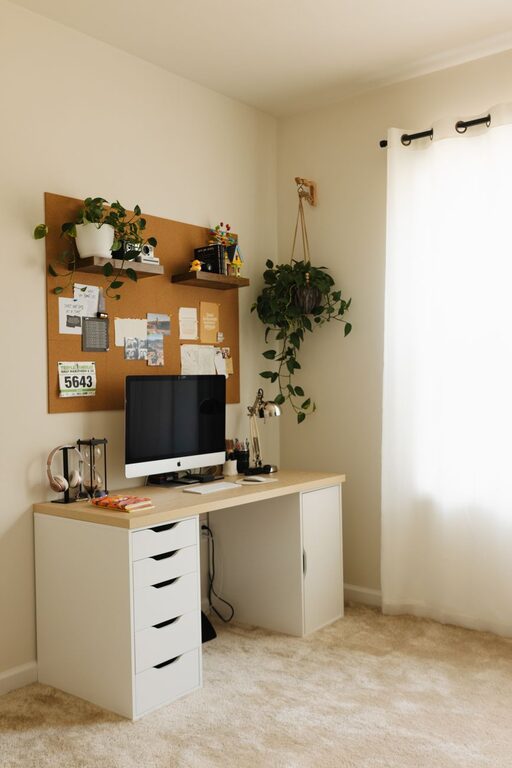
– Vertical shelves or wall organizers to save desk space
– Label bins or boxes to quickly find supplies
Keep Your Desk Clear
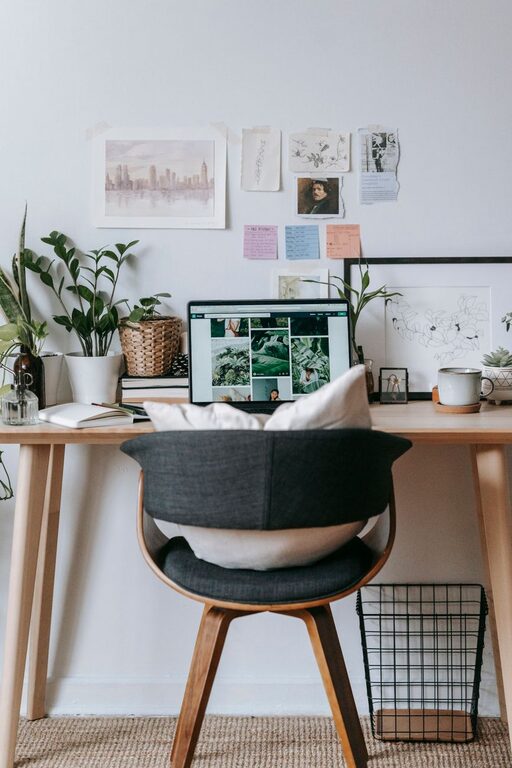
A clear desk promotes focus and reduces mental clutter. Only keep essential items on your desk, such as your computer, notebook, and maybe a plant. Store everything else out of sight.
Develop a Decluttering Routine
Take a few minutes at the end of each day or week to tidy your workspace. Organizing regularly prevents buildup of unnecessary items and keeps your area inviting.
—
Incorporating Energy Efficiency
Use Natural Light When Possible
Position your desk near a window to maximize natural light, which lowers the need for artificial lighting and improves mood.
Choose Energy-Efficient Lighting
Opt for LED bulbs or other energy-saving lamps for your workspace. These use less electricity and have longer lifespans.
Unplug Devices When Not in Use
Even when turned off, some electronics consume power. Unplug chargers and peripherals when they are not needed to reduce standby energy use.
—
Adding Greenery and Personal Touches
Bring in Indoor Plants
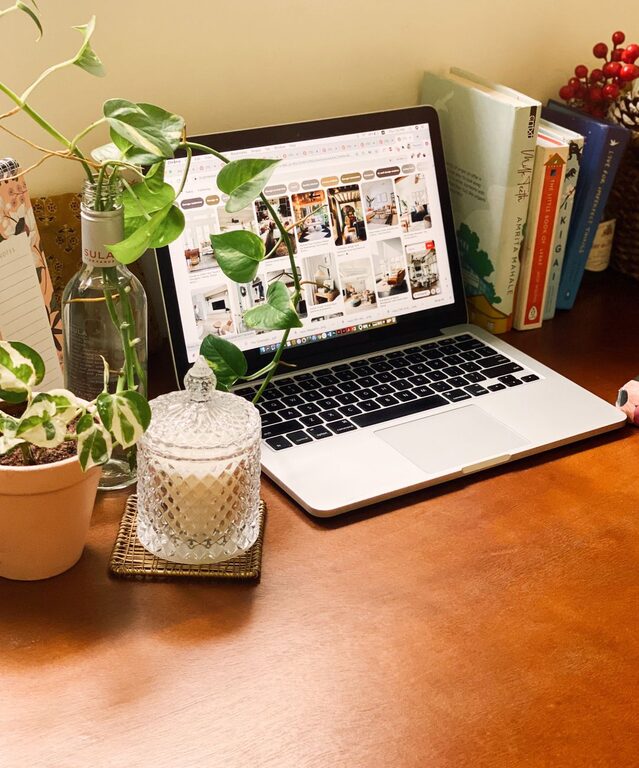
Plants improve air quality and add a calming aesthetic to your workspace. Choose low-maintenance varieties like pothos, snake plants, or succulents.
Personalize Thoughtfully
Add meaningful items like artwork or photos but avoid overdecorating. A minimalist approach helps maintain an organized look.
—
Managing Paper and Digital Clutter
Go Paperless Where Possible
Use digital tools to reduce reliance on printed materials. Scanning and storing documents electronically minimizes paper waste.
Recycle Responsibly
Set up a recycling bin near your workspace to sort paper, plastics, and electronics.
Organize Your Digital Files
Keep your computer’s desktop and folders tidy by regularly deleting or archiving files. Use cloud storage to back up important documents securely.
—
Tips for Maintaining Your Sustainable, Organized Workspace
– Schedule periodic reviews of your setup to identify any clutter or inefficiencies
– Replace worn-out items with eco-friendly alternatives
– Share sustainable tips with household members who use the space
– Balance comfort with ergonomics and sustainability by choosing adjustable chairs and standing desks made from natural materials
—
Creating a sustainable and organized home workspace is a manageable project when you combine thoughtful material choices, smart storage solutions, and consistent habits. With effort and attention, your workspace can become a pleasant, efficient environment that supports both your productivity and the planet.
About the Author