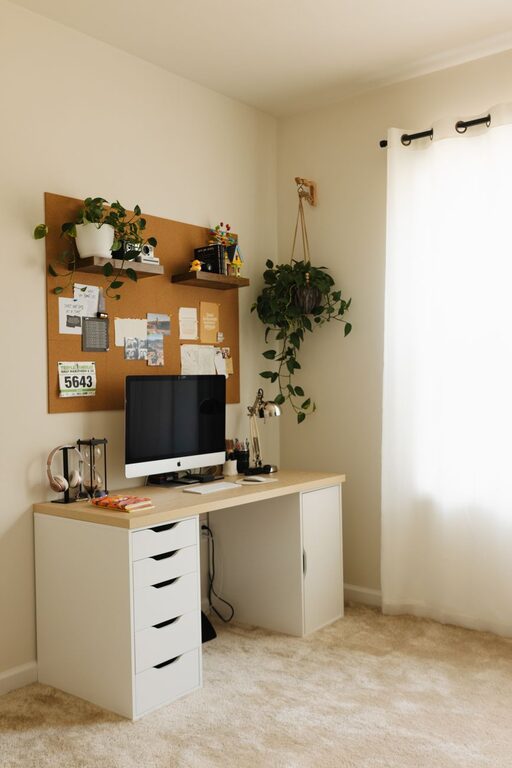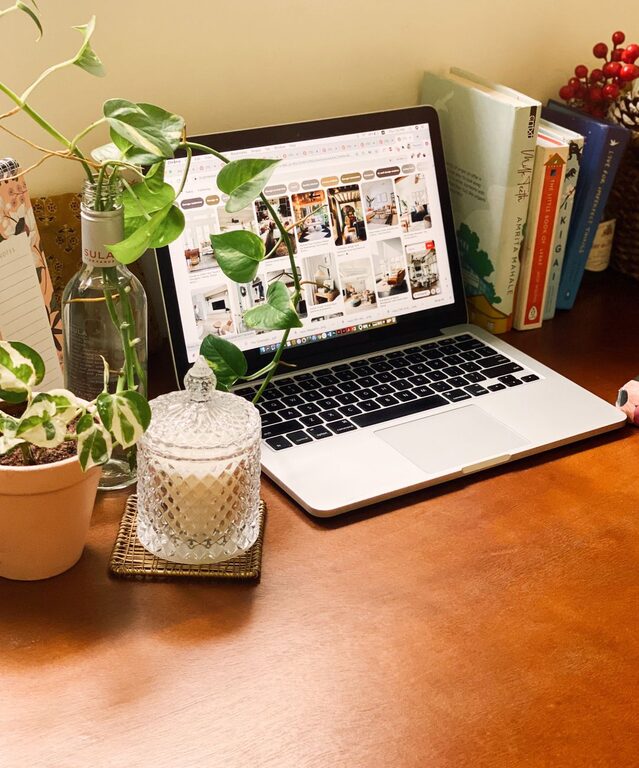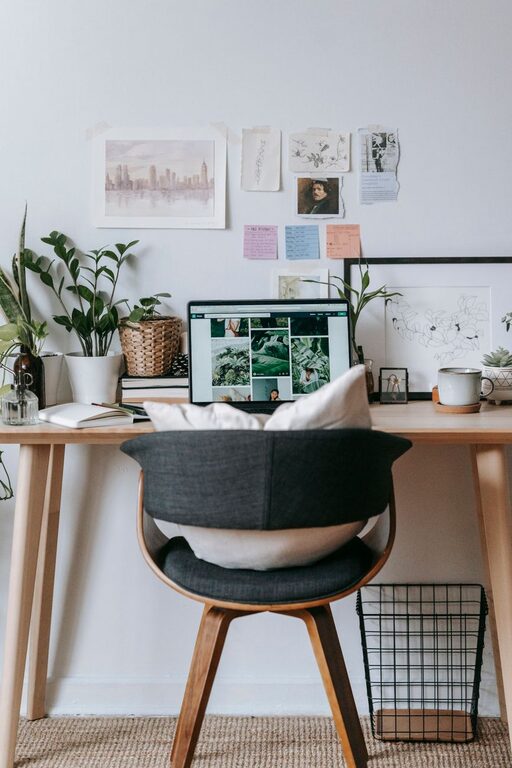

Creating a relaxing home office environment is essential for enhancing productivity and well-being. With many people spending more time working from home, having a space that promotes focus and calm can make a big difference in your daily routine. Whether you have a dedicated room or a small corner in your home, these tips will help you design an office that supports both comfort and efficiency.
Choose the Right Location
The first step in creating a relaxing home office is selecting a suitable spot. Ideally, your workspace should be:
– Quiet and Free from Distractions: Pick an area away from heavy foot traffic and household noise.
– Well-Lit: Natural light is best, so choose a space near a window if possible. If natural light is limited, invest in good quality artificial lighting.
– Comfortable in Size: Ensure there is enough room for your desk, chair, and any necessary equipment without feeling cramped.
Invest in Comfortable Furniture
Your furniture plays a crucial role in your comfort and productivity.
– Ergonomic Chair: Select a chair that supports your back and encourages good posture. Adjustable height and lumbar support are important features.
– Spacious Desk: Choose a desk large enough to accommodate your computer, documents, and any other work essentials.
– Additional Seating: If space allows, having a small chair or couch for reading or breaks can help reduce mental fatigue.
Optimize Lighting
Lighting affects both your mood and your ability to concentrate.
– Natural Light: Try to maximize daylight as it helps regulate your body clock and can create a positive atmosphere.
– Task Lighting: Use adjustable desk lamps with warm light to reduce eye strain during close-up work.
– Avoid Glare: Position your monitor to minimize reflections and glare from windows or overhead lights.
Personalize Your Space
Adding personal touches can make your office feel inviting and boost your motivation.
– Colors: Choose calming colors like soft blues, greens, or neutral tones to create a peaceful ambiance.
– Plants: Indoor plants improve air quality and add a touch of nature, which can reduce stress.
– Decor: Include artwork, photos, or meaningful objects that inspire you without cluttering your space.
Keep Your Workspace Organized
A cluttered desk can lead to a cluttered mind.
– Storage Solutions: Use drawers, shelves, or organizers to keep supplies and paperwork tidy.
– Cable Management: Use clips or sleeves to keep cords neat and prevent tangling.
– Daily Clean-Up: Spend a few minutes each day clearing your desk to maintain an orderly space.
Manage Noise Levels
Sound distractions can disrupt your focus.
– Noise-Cancelling Headphones: These can help block out background noise while working.
– White Noise Machines: Consider using one to mask distracting sounds.
– Soft Textiles: Rugs, curtains, and cushions absorb sound and create a quieter environment.
Set Boundaries and Establish Routines
Creating a relaxing environment also means managing your work habits.
– Defined Work Hours: Stick to a consistent schedule to separate work from personal time.
– Clear Workspace Boundaries: Keep work materials confined to your office area to prevent spillover into other parts of your home.
– Breaks and Movement: Take regular breaks to stretch or walk, helping to reduce physical tension and mental fatigue.
Incorporate Technology Wisely
Technology can enhance comfort when used thoughtfully.
– Adjustable Monitor Stands: Position your screen at eye level to reduce neck strain.
– Blue Light Filters: Use screen protectors or software to lessen eye strain from prolonged screen time.
– Efficient Equipment: Choose reliable and user-friendly devices to avoid frustration.
Maintain Good Air Quality
Fresh air keeps your mind clear and energy levels up.
– Ventilation: Open windows when possible or use air purifiers.
– Humidity Control: Avoid dry or overly humid conditions with humidifiers or dehumidifiers.
– Plants Again: Certain plants naturally filter the air and enhance indoor air quality.
Create a Relaxing Atmosphere
Small touches can turn your office into a calming retreat.
– Aromatherapy: Use essential oil diffusers with scents like lavender or eucalyptus.
– Background Music: Play soft instrumental music or nature sounds to help concentration.
– Comfort Items: Keep cozy blankets or cushions nearby for added comfort during breaks.
—
Designing a relaxing home office doesn’t have to be complicated or expensive. By considering lighting, furniture, organization, and personal preferences, you can create a space that not only supports your work but also nurtures your well-being. Start with these tips, adjust as you learn what works best for you, and enjoy a peaceful and productive home office every day.
About the Author