
Working from home has become a norm for many, and having a productive home office environment is key to staying focused and efficient. Whether you’re a freelancer, remote employee, or managing side projects, setting up your workspace thoughtfully can make a big difference in how you work and feel throughout the day. Here are some practical tips to help you create a home office that supports productivity and well-being.
Choose the Right Space
Find a Dedicated Area
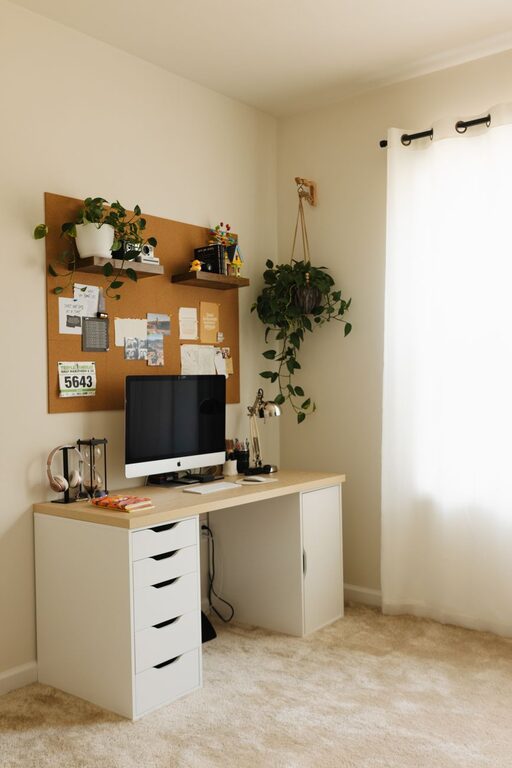
Having a separate spot specifically for work helps your brain associate that area with focus and tasks. It doesn’t need to be a whole room; even a small corner can work as long as it’s distinct from your living areas.
Consider Natural Light
Position your desk near a window if possible. Natural light boosts mood and energy, reducing eye strain. If natural light is limited, invest in good quality lamps that mimic daylight.
Optimize Your Desk Setup
Invest in Comfortable Furniture
Choose an ergonomic chair that supports your posture and a desk at the right height. Sitting comfortably reduces fatigue and the risk of discomfort or injury.
Keep Essentials Within Reach
Arrange your most-used supplies, like notebooks, pens, and your computer, so they’re easy to access. This minimizes distractions caused by having to search for items during work.
Minimize Clutter
A neat desk helps clear your mind. Use organizers, shelves, or drawers to store items out of sight, keeping the surface clean and inviting.
Control Noise and Distractions
Use Noise-Canceling Headphones
If your environment is loud or busy, noise-canceling headphones can help you stay focused by blocking out distracting sounds.
Set Boundaries with Others
Communicate your work schedule and space needs with family or roommates to reduce interruptions, especially during important meetings or deep work sessions.
Incorporate Technology Wisely
Ensure Reliable Internet
A stable internet connection is essential for smooth workflow, especially if your work involves video calls or large file sharing.
Choose the Right Tools
Use productivity apps and software that help you stay on track, such as to-do lists, calendar apps, and communication platforms.
Manage Screen Time
Take regular breaks away from your screen to protect your eyes and maintain focus. The 20-20-20 rule—looking at something 20 feet away for 20 seconds every 20 minutes—can help.
Personalize Your Space
Add Plants
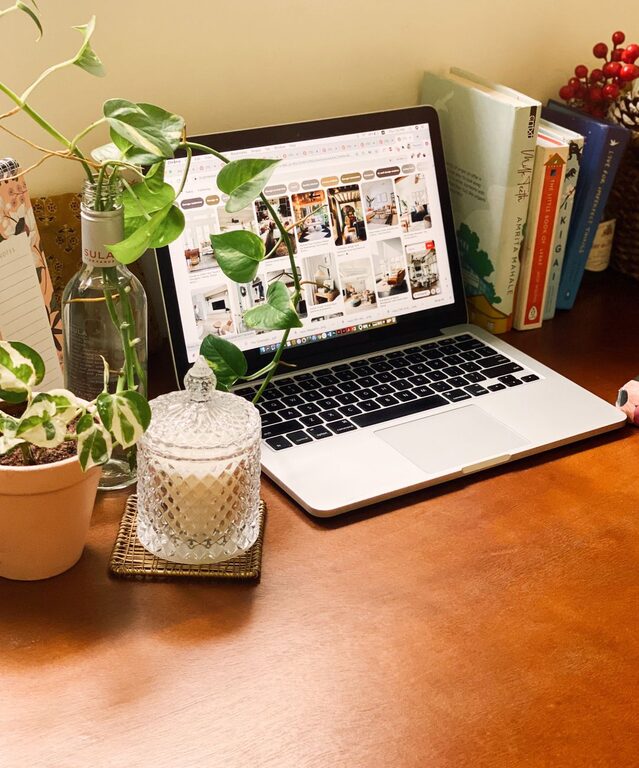
Indoor plants enhance air quality and create a calming atmosphere. Choose low-maintenance varieties like succulents or pothos for easy care.
Display Inspiring Items
Surround yourself with artwork, quotes, or photos that motivate you. This makes your office feel personal and uplifting.
Use Calming Colors
Opt for soft, neutral tones on walls and accessories to create a soothing environment that encourages concentration.
Establish a Routine and Boundaries
Set Working Hours
Define when your workday starts and ends to maintain work-life balance. Consistent hours help train your mind for focus during work time and relaxation after.
Take Breaks
Regular breaks boost productivity and prevent burnout. Use breaks to stretch, walk, or grab a healthy snack.
Separate Work from Leisure
Avoid blending work tasks with household chores or entertainment in your workspace. Keeping these activities separate helps your brain switch roles more easily.
Keep Your Workspace Clean and Maintained
Daily Tidying
Spend a few minutes at the end of each day organizing your desk. This prepares you mentally and physically for the next work session.
Regular Cleaning
Dust and clean your office area weekly to maintain a fresh and healthy environment.
—
Creating a productive home office environment means balancing comfort, organization, and personal touches to support your work habits. With these tips, you can build a space that helps you stay focused, energized, and motivated throughout your workday. Remember, small changes can lead to big improvements in how you work at home!
About the Author