Creating a relaxing home workspace is essential for maintaining focus and comfort throughout your workday. Whether you spend hours at a desk or check emails occasionally, an environment that feels calm and inviting can make a big difference in how productive and comfortable you feel. In this post, we’ll walk through practical tips to help you design a home workspace that supports your well-being and enhances your efficiency.
Why a Relaxing Workspace Matters
Your home workspace is more than just a desk and chair. It’s where your daily tasks come to life, and how it’s set up affects your mood, energy levels, and ability to concentrate. A cluttered or uncomfortable space can increase stress and decrease motivation. On the other hand, a relaxing environment can help reduce fatigue, spark creativity, and make working from home a more enjoyable experience.
Choosing the Right Spot
Find Natural Light
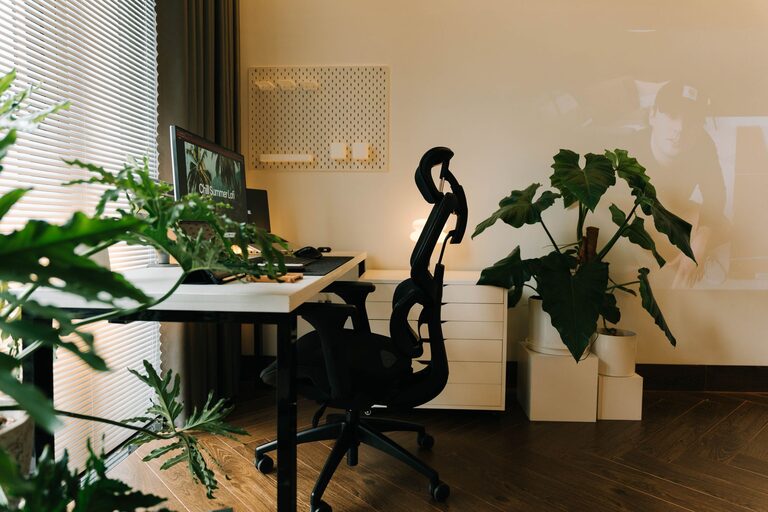
One of the simplest ways to boost your workspace is to position it near a window. Natural light not only improves your mood but also helps reduce eye strain during the day.
Minimize Distractions
Pick a quiet corner or a room that is away from noisy areas. This helps you stay focused and limits interruptions. If that’s not possible, consider noise-cancelling headphones or a white noise machine.
Invest in Comfortable Furniture
Ergonomic Chair
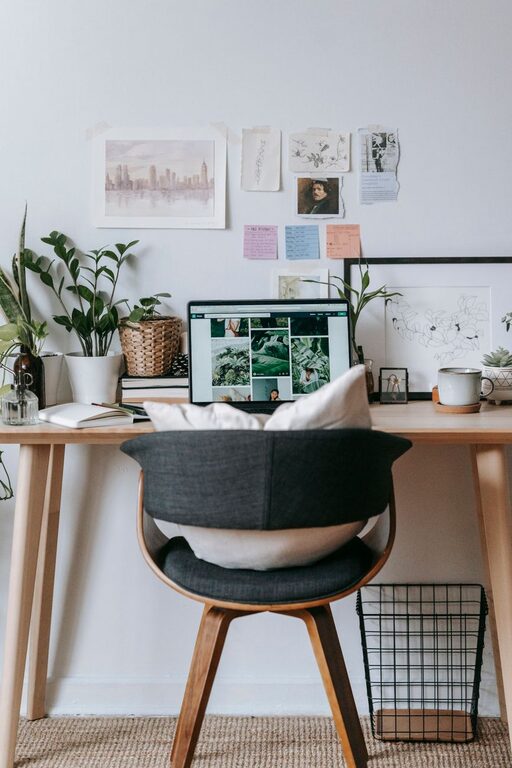
A supportive chair that encourages good posture is vital. Look for adjustable options so you can tailor the height and back support to your body.
Desk Height and Space
Make sure your desk allows enough space for your monitor, keyboard, and any other tools you use regularly. It should be at a height that lets your arms rest comfortably.
Organize and Declutter
Keep Essentials Within Reach
Arrange your most-used items—pens, notebooks, charging cables—within easy reach to avoid unnecessary movement.
Use Storage Solutions
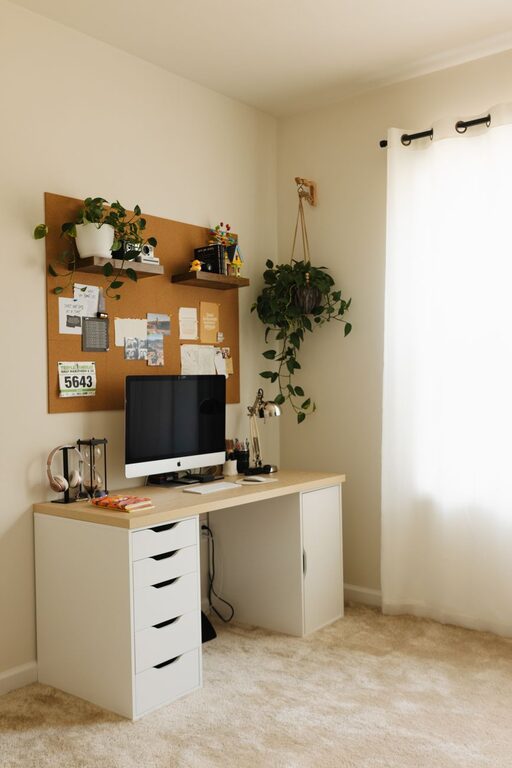
Shelves, drawers, or desktop organizers can keep your workspace neat and clutter-free, helping to maintain a relaxed vibe.
Personalize Your Space
Add Greenery
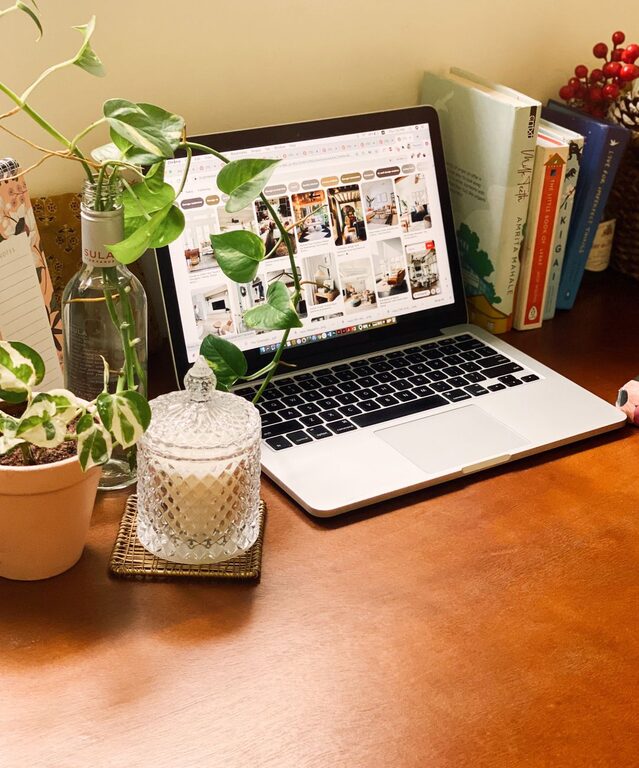
Plants can bring a sense of calm and improve air quality. Small potted plants or succulents are easy to care for and brighten up your desk.
Incorporate Calming Colors
Colors like soft blues, greens, or neutrals promote relaxation. Consider painting your walls or adding accessories in these tones.
Display Inspiring Items
Photos, artwork, or motivational quotes can create a positive and inspiring atmosphere.
Optimize Lighting for Comfort
Use Layered Lighting
Combine natural light with softer sources like lamps or LED strips. Adjustable lighting helps reduce eye strain and sets a comfortable ambiance.
Avoid Glare
Position your monitor or light sources to prevent glare on your screen, which can cause headaches and eye discomfort.
Take Breaks and Move
Even with the best setup, sitting for long hours isn’t healthy. Schedule regular breaks to stretch, walk around, or practice deep breathing. This can refresh your mind and body, ultimately improving your focus.
Maintain Air Quality
Good ventilation and fresh air help you feel energized. Open windows when possible or use an air purifier to keep your workspace fresh.
Use Technology Wisely
Limit notifications and set boundaries with devices to maintain focus. Use productivity tools and apps that help organize your tasks without overwhelming you.
Conclusion
Designing a relaxing home workspace takes some planning, but the benefits are well worth it. By choosing the right location, investing in comfortable furniture, organizing effectively, and adding personal touches, you can create a space that boosts both productivity and comfort. Remember, the goal is to build an environment where you feel calm, motivated, and ready to tackle your workday with ease.
Try out these tips and adjust them to fit your needs. Your perfect home workspace is just a few steps away!
About the Author