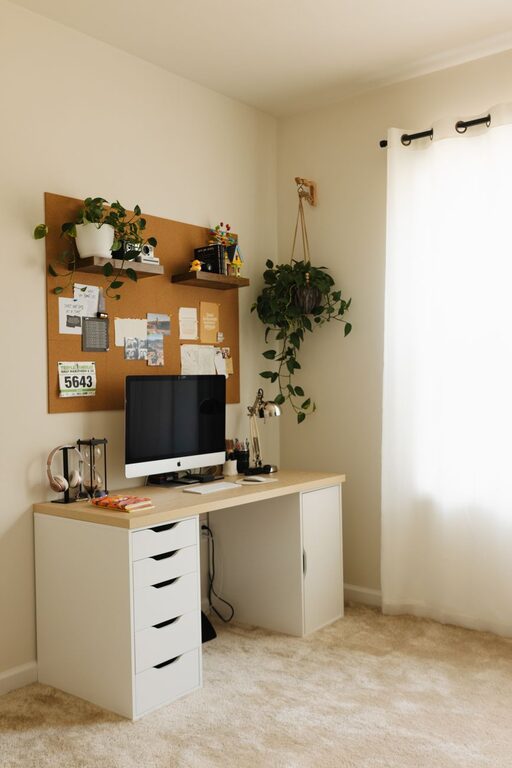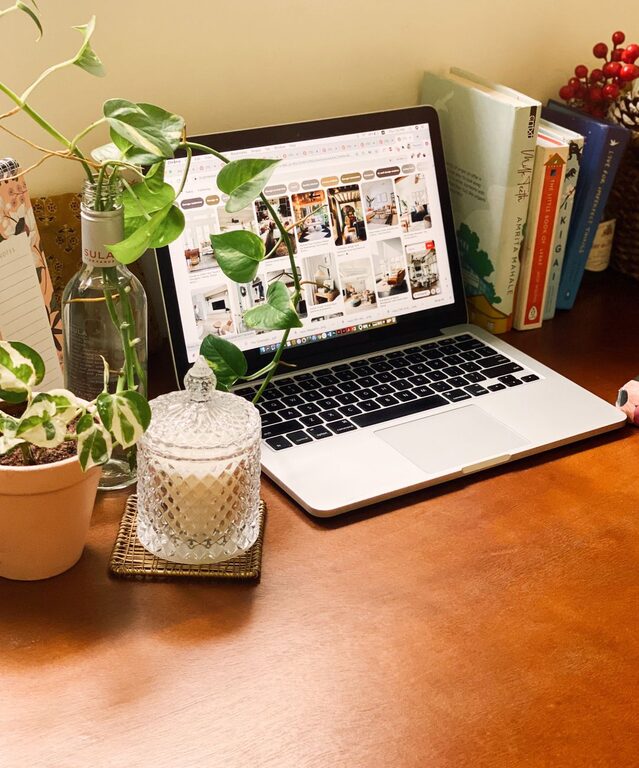
Creating a cozy and inviting home workspace can make a big difference in how you feel about your workday. Whether you work remotely full-time or occasionally bring tasks home, having a dedicated area that is both comfortable and inspiring helps increase productivity while reducing stress. Here are some practical tips to help you design a workspace that feels just right for you.
Choose the Right Location
Consider Natural Light
A key factor in a comfortable workspace is good lighting. Try to set up your desk near a window where natural light can brighten your room. Natural light improves mood and alertness, which is essential during long work hours.
Minimize Distractions
Pick a quiet corner or room where household noise is minimal. A peaceful environment helps you focus better and keeps interruptions at bay.
Invest in Comfortable Furniture
Ergonomic Chair and Desk
Comfort starts with the basics. Select a chair that supports your back properly and allows your feet to rest flat on the floor. Your desk should be at a height where your arms can rest comfortably while typing or writing.
Add Soft Textures
Make your seating area cozy with cushions, throws, or a soft rug. This tactile comfort can make your workspace feel warmer and more inviting.
Organize Your Space Effectively
Declutter Regularly
Keep your desk neat by removing unnecessary items. A clutter-free workspace helps reduce anxiety and increases focus.
Use Storage Solutions
Drawers, shelves, and organizers keep your essentials within reach without crowding the surface. Label boxes or containers to easily find what you need.
Personalize Your Workspace
Add Plants
Bringing greenery into your workspace can boost your mood and even improve air quality. Small potted plants or succulents require minimal care and add a touch of nature.
Incorporate Personal Items
Include a few meaningful decorations like photos, artwork, or inspiring quotes. These personal touches make your workspace uniquely yours.
Optimize Lighting and Colors
Use Adjustable Lighting
In addition to natural light, have adjustable lamps to control brightness during darker hours. Warm-toned bulbs can create a cozy ambiance that’s easy on the eyes.
Choose Calm Colors
Soft, neutral colors or pastels for your walls and decor can promote calmness. Consider colors like light blue, soft gray, or creamy white, which help maintain focus without being distracting.
Maintain Good Air Quality
Ventilate Regularly
Fresh air helps keep you alert and comfortable. Open windows when possible or use a small fan to circulate air.
Consider Air Purifiers
If your workspace tends to feel stuffy or dusty, an air purifier can improve the environment and support better concentration.
Incorporate Functional Technology
Keep Cables Organized
Use cable management solutions to prevent tangled cords on and around your desk. This not only looks better but also reduces hazards.
Invest in Quality Accessories
A good keyboard, mouse, and headset can greatly improve your comfort and efficiency when working.
Schedule Breaks and Movement
Create a Break Area
If space allows, set up a small area where you can stretch or relax briefly. Stepping away physically helps refresh your mind.
Use Reminders
Set an alarm or use apps that remind you to take short breaks and move around to avoid stiffness and eye strain.
—
By following these tips, you can transform your home workspace into an inviting and cozy place that supports your work and well-being. A well-designed workspace isn’t just about aesthetics—it’s about creating an environment where you can thrive every day.
About the Author