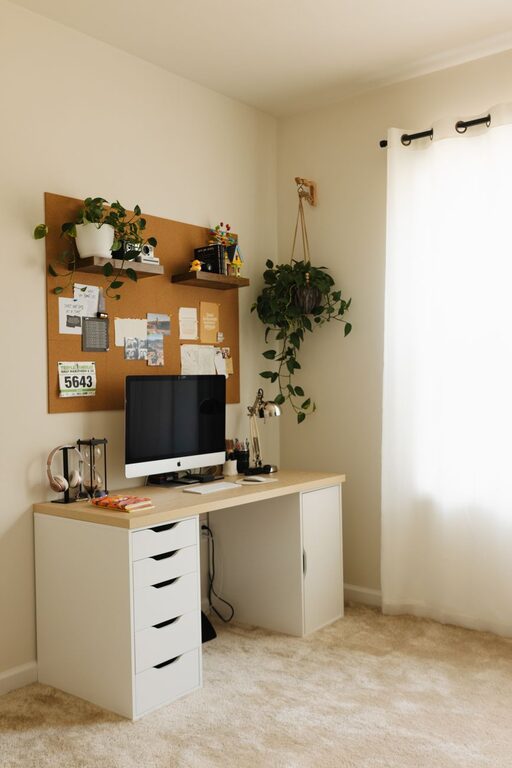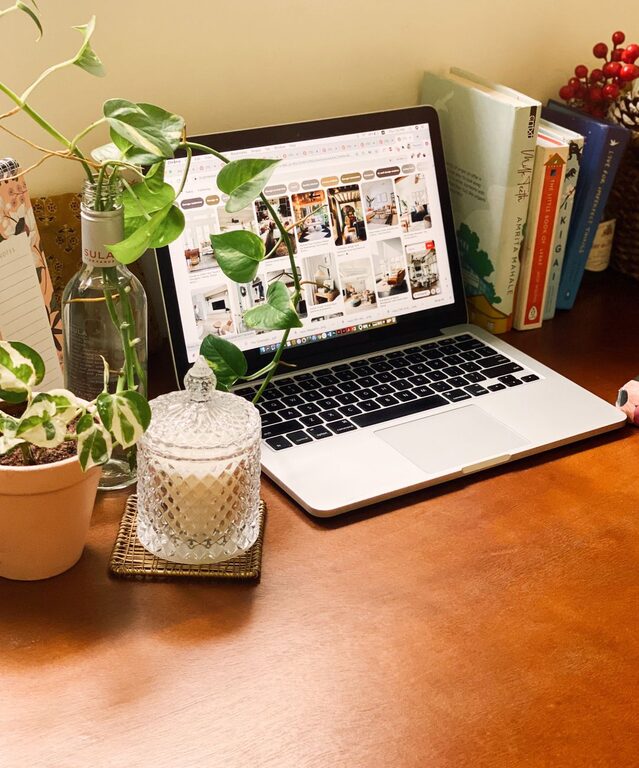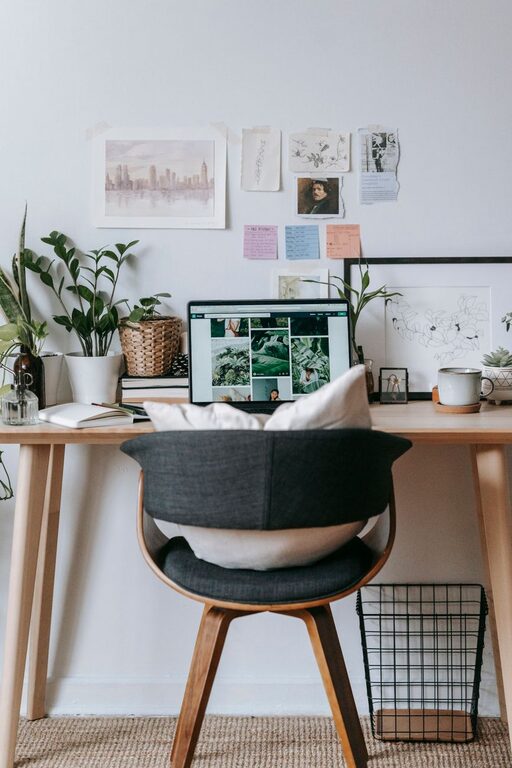
Creating a home office that is both cozy and inviting can make a big difference in your workday. Whether you’re working remotely full-time or need a dedicated spot for occasional tasks, a well-designed space helps you stay focused, comfortable, and motivated. Here are practical tips to help you design a home office that feels welcoming and supports your productivity.
Start with the Right Location
Choosing the right spot in your home for your office is essential. Ideally, pick a quiet corner or room with good natural light. Avoid areas with heavy foot traffic or distractions. If you don’t have a separate room, consider using screens or room dividers to create a dedicated work zone.
Invest in a Comfortable Chair and Desk
Ergonomics matter when you spend many hours sitting. A comfortable chair with adjustable height and lumbar support can prevent back pain and keep you comfortable throughout the day. Pair it with a desk at the right height to maintain good posture. Standing desks or adjustable desks are also great options if you prefer to alternate between sitting and standing.
Use Warm and Soft Lighting
Lighting influences mood and productivity. Natural light is ideal, but when that’s limited, use warm, soft lighting rather than harsh fluorescents. Desk lamps with adjustable brightness or floor lamps with soft white bulbs can create a cozy atmosphere. Avoid glare on your screen by positioning your light sources thoughtfully.
Add Personal Touches
Personalizing your space makes it more inviting. Decorate your desk or surrounding walls with items that inspire you — framed quotes, artwork, or photos of loved ones. Live plants add color and freshness, improving air quality as well as mood. A small rug can add texture and warmth underfoot.
Keep Your Space Organized
Clutter can reduce focus and increase stress. Use shelves, bins, and drawer organizers to keep papers, office supplies, and cables tidy. Label containers to find items quickly and avoid distractions. Regularly declutter your workspace, keeping only what you need within arm’s reach.
Incorporate Textiles for Warmth
Soft textiles add comfort and a touch of calm. Consider adding a cushioned chair pad, cozy throw blanket, or window curtains with warm tones or subtle patterns. Such textures can soften the look of an office and reduce the sterile feeling often associated with workspaces.
Choose Calming Colors
Colors affect how you feel and work. Soft neutrals, gentle pastels, or earthy tones tend to create a relaxing environment. If you prefer brighter shades, use them as accents rather than main colors, so the space does not become overwhelming. Matching your color scheme with your decor helps maintain harmony.
Optimize Sound and Reduce Noise
Noise can be disruptive when working at home. Use rugs, curtains, and upholstered furniture to absorb sound. White noise machines or soft background music can mask distracting noise from outside. If possible, place your office away from loud household areas like kitchens or living rooms.
Set Up Functional Technology
Make sure your technology setup supports productivity without adding frustration. Position your computer monitor at eye level, use a wireless keyboard and mouse for flexibility, and keep cords organized to reduce clutter. A reliable internet connection and convenient power outlets are also key.
Establish Boundaries and Routine
Finally, to fully enjoy your cozy home office, set boundaries with family or housemates and establish a work routine. A dedicated workspace helps you mentally separate work from leisure. When you finish for the day, tidying your desk signals the end of work time, helping you relax.
—
By following these tips, you can create a home office that is not only functional but also a space where you feel comfortable and inspired every day. A cozy, inviting workspace is an investment in your well-being and productivity. Take the time to personalize and organize your office, and you’ll notice the positive difference it can make.
About the Author